
Before You Install Artificial Turf in Fort Worth, TX, Read This
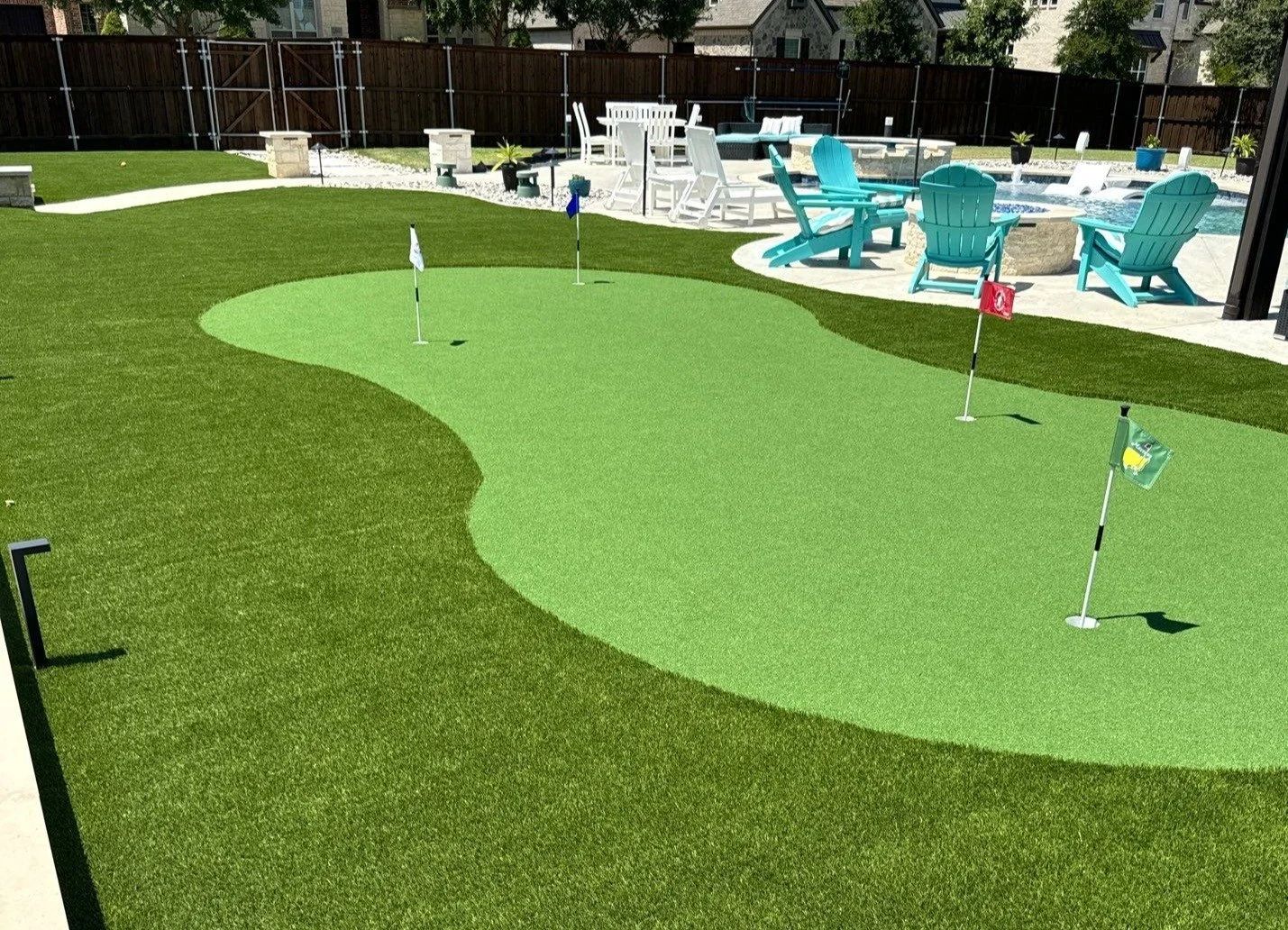
Artificial turf has become a popular solution for homeowners who are tired of patchy grass, muddy areas, and constant upkeep. You’ve likely seen it done well. Clean lines. Consistent color. A yard that looks finished no matter the season. But you’ve also probably seen the opposite. Turf that looks flat. Seams that stand out. Edges that feel unfinished. Areas that hold water or shift over time.
We design and build outdoor spaces every day, and the difference between those outcomes is rarely the turf itself. It comes down to how the space is planned, how the materials are selected, and how the installation is executed.
When done right, artificial turf becomes part of a larger outdoor living space. It supports how you use your yard and contributes to a true backyard transformation that feels complete, not pieced together.
Related: Enjoy Effortless Luxury With Artificial Turf and Pavilion Designs in Fort Worth & Benbrook, TX
What Should You Know Before Installing Artificial Turf?
Artificial turf is often approached as a quick fix. Replace grass. Reduce maintenance. Clean up the yard. That mindset is where most problems begin. Our team approaches turf as part of a larger design. It is not just a surface. It is a functional layer within the overall outdoor living space. It needs to connect with surrounding materials, align with the layout of the property, and support how the space will be used.
We begin by looking at how water moves across the property. Drainage plays a major role in long-term performance. Without proper grading and base preparation, water can collect beneath the surface, leading to uneven areas over time.
We also consider transitions. Turf often meets patios, walkways, or pool decking. These edges need to be clean, stable, and visually consistent. When transitions are overlooked, the space starts to feel unfinished.
Another factor is layout. Turf can define zones within a yard. It can frame seating areas, soften hardscapes, or create open space for activity. When placed intentionally, it supports the overall backyard transformation.
The difference between a surface that looks installed and one that feels integrated comes down to planning. That planning happens before any material arrives on site
Does Artificial Turf Really Look Natural?
Artificial turf has improved significantly in recent years. Modern products include multiple shades of green, varied blade shapes, and subtle texture differences that help replicate the look of natural grass. When viewed on its own, the material can look convincing.
The challenge is not the product. It is how it is installed. We pay close attention to direction. Turf has a grain, similar to carpet. When installed consistently, it reflects light in a way that appears more natural. When directions are mixed, the surface can look patchy even if the material is high quality.
Seams also require precision. Poorly aligned seams draw attention immediately. Proper cutting, joining, and securing allow the surface to read as continuous. Edges matter just as much. Clean transitions between turf and surrounding materials help anchor the space visually. When edges are inconsistent, the turf stands out in the wrong way. Context plays a role as well. Turf placed alongside natural stone, concrete, or wood elements tends to feel more grounded. It becomes part of a cohesive design rather than a standalone feature.
How Long Does Artificial Turf Last in Fort Worth, TX?
Artificial turf is designed for long-term use, but its lifespan depends on several factors. In Fort Worth, TX, heat and sun exposure are constant considerations. High temperatures and UV exposure can impact materials over time. Quality turf products are manufactured to handle these conditions, but installation plays a major role in how well they perform.
The base beneath the turf is critical. Proper compaction and grading create a stable surface that resists shifting. When the base is not prepared correctly, the turf can develop low spots or uneven areas.
Usage also affects longevity. Areas with frequent foot traffic, pets, or regular activity will experience more wear. Selecting the right product for the intended use helps maintain appearance and performance.
We also look at how the turf integrates with the rest of the space. Drainage, edging, and surrounding materials all influence how the surface holds up over time.
In many cases, a well-designed and properly installed system continues to perform consistently for years. The key is aligning material selection with the environment and ensuring the installation supports long-term stability.
Related: Revolutionizing Landscaping: The Advantages of Artificial Turf in Fort Worth
What Goes Into a High-Quality Artificial Turf Installation?
Our process begins with site preparation. Existing materials are removed, and the area is graded to establish proper drainage. This step ensures that water moves away from the surface rather than collecting beneath it.
A base layer is then installed and compacted. This creates a stable foundation that supports the turf and prevents shifting over time. Compaction is done in stages to maintain consistency across the entire area.
The turf itself is cut and positioned with precision. Seams are aligned carefully, and edges are secured to maintain clean lines. These details are what allow the surface to appear continuous. Infill is added to support the blades and help maintain the structure of the turf. This step contributes to both the look and feel of the finished surface.
Integration with surrounding elements is also addressed during installation. Whether the turf meets a patio, walkway, or pool deck, transitions are designed to feel intentional and durable. This level of detail is what separates a surface that looks installed from one that feels complete within the overall outdoor living space.
Where Does Artificial Turf Work Best in a Luxury Outdoor Space?
Artificial turf can be used in a variety of ways, but its impact depends on how it is positioned within the design. Around pools, turf provides a clean, consistent surface that contrasts well with stone or concrete decking. It softens the space visually while maintaining a refined look.
In side yards, it creates usable space where natural grass may struggle to grow. These areas often become more functional once they are stabilized and defined. For entertainment areas, turf can serve as a flexible surface for seating, gatherings, or open space. It helps connect different zones within the yard, making the layout feel more cohesive. Pet areas are another common application. Turf provides a durable surface that is easier to maintain and integrates well with the rest of the design.
We also use turf to frame other features. It can highlight a seating area, border a pathway, or create contrast between materials. When used thoughtfully, it enhances the overall backyard transformation rather than acting as a standalone solution. The goal is to place turf where it adds value to both function and design.
How Does the Fort Worth Climate Impact Artificial Turf Performance?
The climate in Fort Worth, TX, influences how artificial turf is designed and installed. Heat is one of the primary factors. Turf surfaces can become warm under direct sunlight, which is why we consider placement and surrounding materials carefully. Incorporating shade through structures or layout can improve comfort.
Material selection also plays a role. Some turf products are designed to manage heat more effectively, and lighter surrounding materials can help reduce overall surface temperature.
Drainage is another consideration. Fort Worth can experience periods of heavy rain, and the turf system needs to allow water to pass through efficiently. Proper base preparation and grading support this.
Dust and debris are also part of the environment. Designing the space to manage these elements helps maintain the appearance of the turf. By accounting for these conditions during design and installation, we create outdoor living spaces that remain usable and visually consistent throughout the year.
The Process That Sets the Right Turf Installation Apart
The outcome of a turf installation is shaped by the process behind it. Our approach begins with understanding how the space will be used. We look at layout, surrounding features, and long-term goals. This allows us to develop a plan that aligns with the overall design.
From there, we move into preparation. The site is evaluated, graded, and structured to support the turf system. Each step is completed with attention to detail to ensure stability and performance.
Installation is handled by our in-house team. This allows us to maintain consistency and control over quality. Communication remains clear, and progress is managed carefully.
The final phase focuses on finishing details. Edges are refined, seams are reviewed, and the surface is evaluated as part of the full outdoor living space. This process creates a result that feels intentional. It supports a true backyard transformation and reflects the level of care applied throughout the project.
Working with a team that understands these details leads to a result that feels cohesive and lasting. In Fort Worth, TX, where outdoor spaces are used throughout much of the year, that level of planning makes a noticeable difference.
Related: How a Putting Green in Southlake and Arlington, TX, Adds Everyday Enjoyment at Home
About the Author
Michael Hillman started Hillman Outdoor Living as a high schooler over two decades ago. His entrepreneurial spirit led him to mow lawns for extra cash, which he did throughout college. After college graduation, Hillman transitioned his business into a commercial property management company and pivoted again when he began offering primarily landscape design and build services. Today, Hillman operates with a team of dedicated and talented professionals providing exceptional service.