
How a Walkway in North Richland Hills and Keller, TX, Adds Ease and Flow to a Backyard
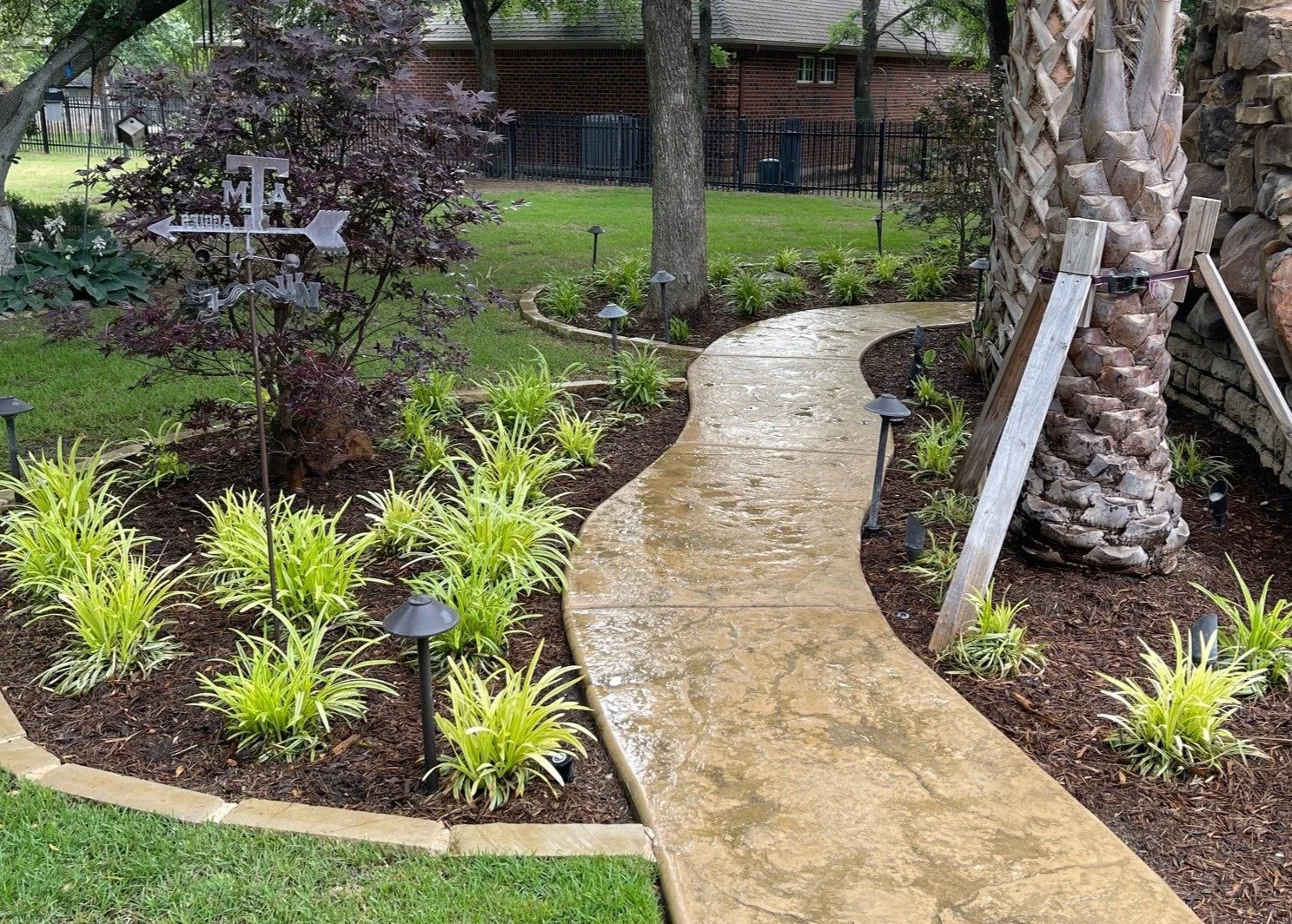
If your backyard feels disconnected, it is often because there is no clear route that guides you from one space to the next. You may have a patio, a seating area, or planting beds you enjoy, but getting to those areas can feel awkward, especially at night or when the ground is wet. A walkway in North Richland Hills and Keller, TX, helps your backyard feel easier to use by creating a defined route that supports comfort, improves flow, and connects outdoor spaces in a way that feels intentional.
Related: How Arbors and Walkways Create Inviting Outdoor Spaces in Granbury, TX
Why Walkways Matter More Than Most Homeowners Realize
A walkway is one of the simplest features in a backyard, but it has an outsized effect on how the space works. When there is no dedicated route, movement becomes unplanned. People take the shortest route across turf. They cut corners by planting beds. They create worn trails that eventually turn into muddy areas or uneven turf lines. Even if you have a beautiful patio or an outdoor kitchen, the lack of a walkway can make the backyard feel unfinished.
A well-designed walkway immediately changes how the backyard feels. It gives your outdoor space structure. It creates a sense of order. It tells guests where to go without them having to ask or hesitate. It also makes everyday life easier, whether you are stepping outside with a cup of coffee, carrying a platter to the patio, or walking to a fire pit after sunset.
Walkways also help create a natural rhythm in the backyard. When movement feels smooth and comfortable, the backyard becomes a space you use more often because it feels easier to navigate. That is one of the most overlooked benefits of a walkway. It removes friction from outdoor living.
How a Walkway Supports Better Backyard Flow
Backyard flow is about how people move from one zone to another without awkward detours. Most backyards have multiple zones, even if they are not formally defined. There is usually a point of entry, such as a back door or patio door. There may be a dining area, a lounge area, a grill area, a play area, or a spot for trash bins or storage. Many homes also have side gates that connect the front yard to the backyard.
Without a walkway, these routes become improvised. People find the fastest way, which often leads to uneven wear patterns and a backyard that feels disjointed. A walkway creates a dedicated route, making movement more predictable. It also helps define where gathering spaces begin and where foot traffic should stay.
We plan walkway placement based on how you use the backyard, not just what looks good on paper. That means we evaluate how you move through the space today, then design a route that supports that movement while also improving how your backyard feels overall. A well-placed walkway reduces awkward crossing patterns and helps outdoor zones feel connected.
Walkways Make Entertaining Easier Without Adding Complexity
If you host guests, you have likely noticed that people naturally hesitate when they are not sure where to walk. They step carefully across turf, especially if it has been raining. They avoid planting beds. They cluster near the patio door because they are unsure how to reach other areas of the backyard. That can make gatherings feel less relaxed.
A walkway solves this without adding complexity. When guests have a clear route to follow, the backyard feels more welcoming. People can move from the patio to seating areas, to the fire pit, or to a side gate without hesitation. It also helps you as the host. Carrying food, drinks, or supplies becomes easier when you are walking on a stable surface instead of navigating turf.
Walkways also support better spacing for outdoor living features. When the route is defined, patios and seating zones can be placed more intentionally because the pathway guides movement and keeps traffic flow away from gathering areas.
Where Walkways Make the Biggest Difference in a Backyard
Most homeowners think of a walkway as a simple connection between the house and the patio, but a well-planned route can do much more than that. The most effective walkways connect the parts of your backyard you use every day, creating a smooth flow that feels natural instead of forced.
A walkway often makes the biggest difference when it connects high-traffic areas such as the back door and the main patio, especially when you are carrying food or moving between indoor and outdoor spaces. It also helps when you need a clear route from the patio to a secondary seating area, such as a fire pit or lounge space, so guests can move comfortably without cutting through turf. If your outdoor kitchen is part of the backyard layout, a walkway makes it easier to move trays, tools, and serving pieces while keeping traffic patterns clean.
Walkways are also helpful for connecting the patio to a side gate, which is often used for everyday routines such as deliveries, trash bins, and pet access. If you have an inground pool, a walkway supports better circulation and helps connect seating and dining zones to the pool deck. Our team designs walkways along the routes you use most, which makes the finished result feel practical and purposeful rather than decorative.
How Walkway Shape Impacts the Feel of Your Backyard
Walkway shape affects how your backyard feels. A straight walkway feels structured and clean. It works well for modern homes and for backyards with strong geometry. Straight routes also make movement direct, which many homeowners appreciate.
Curved walkways feel softer and more relaxed. A gentle curve can slow movement slightly and make the route feel more natural in planting-heavy landscapes. Curves can also help a walkway blend into planting beds, especially when plantings are installed along the edges to soften the route.
The best shape depends on your backyard layout and your home's style. We design walkways to align with architecture and property lines while also supporting comfortable movement. The goal is not to force a curve or force a straight line. The goal is to design a walkway that feels natural for your space.
Related: Evening Strolls and Seamless Flow: Walkway Ideas for Southlake and Grapevine, TX Yards
Walkway Width and Comfort Underfoot
Walkway width is one of the most important design decisions because it affects daily comfort. A walkway that is too narrow can feel cramped. A walkway that is too wide can feel out of place. We design walkway widths based on the number of people who will use the route and the areas it connects.
If the walkway is a primary route from the back door to the patio, it needs to be wide enough for two people to walk side by side comfortably. If it is a secondary route to a smaller seating area, it can be slightly narrower while still feeling comfortable.
We also consider how the surface feels underfoot. Walkways should feel stable and smooth. If the walkway is uneven or the material is uncomfortable, people will avoid using it. That defeats the purpose. Our team handles grading and installation details so the walkway feels solid, level, and easy to walk on.
How Walkways Support Better Planting Bed Design
Walkways and planting beds work together. A walkway creates a clean edge, helping planting beds look defined. Planting beds soften the walkway and make it feel integrated into the landscape.
When we design a walkway, we often plan planting beds along one or both sides. This helps the walkway feel more natural and creates a more finished look. Plantings can be installed to add seasonal blooms, evergreen structure, and layered textures that guide the eye along the route.
Planting beds along walkways also helps define outdoor rooms. For example, planting beds can separate the walkway from a lounge area, creating a sense of privacy and enclosure. They can also frame an outdoor kitchen or seating area, making the backyard feel more intentional.
Because plantings are regional, we also account for your growing conditions and local hardiness zone when recommending planting selections. That ensures plantings are appropriate for your area and will perform well through seasonal change.
How Outdoor Lighting Enhances Walkways After Sunset
Walkways become even more important after sunset. A backyard can feel dark and disconnected if routes are not clear. Outdoor lighting helps create visibility and makes movement feel more comfortable.
Outdoor lighting installation along a walkway can be done in several ways. Low-profile path lights can guide the route without overwhelming brightness. Step lights can be integrated into transitions where the route changes elevation. Accent lights can be used to highlight nearby plantings or natural stone details, which adds warmth and depth to the backyard at night.
We design outdoor lighting as part of the walkway plan, not as an afterthought. That means fixture placement supports the route, and the lighting feels cohesive with the backyard design. The goal is to create a welcoming glow that makes the walkway usable without harsh brightness.

What Is The Most Popular Paver Color?
The most popular paver colors for walkways are neutral blends that complement a wide range of home styles and outdoor features. Homeowners often choose tones like gray, beige, tan, and warm brown because they feel clean, timeless, and easy to coordinate with patios, driveways, and planting beds. Multi-tone blends are especially popular because they add natural variation without looking busy, which helps the walkway feel more refined and forgiving with everyday use.
The best choice depends on your home’s exterior materials, the color of your patio surface, and the level of contrast you want between the walkway and the surrounding turf or planting beds. Our team helps you select a paver color that fits your property and creates a cohesive look across the backyard, so the walkway feels intentional and matches the overall design.
What Is The Best Type Of Walkway?
The best type of walkway is one that fits how you use your backyard and feels natural with your home’s architecture. For most homeowners, a walkway built with pavers is a top choice because it provides a stable surface, offers a clean finished look, and works well with patios and other structural elements. Pavers also allow for patterns and borders that add definition, making the walkway feel more polished and guiding the flow through the backyard.
Natural stone is another strong option for a more timeless, organic look with natural texture and variation. It can be especially effective when the walkway is surrounded by layered plantings or when the backyard design leans toward a more natural style. The right choice depends on your backyard layout, the look you want to achieve, and how the walkway connects to other features like patios, steps, or an outdoor kitchen.
Our team designs the route, selects materials, and handles all installation decisions so your walkway works comfortably, looks cohesive, and supports better backyard flow from the moment it is built.
Walkways and Grade Changes
Many backyards have subtle grade changes that affect how comfortable the space feels. If you have a slope, uneven turf, or a patio that sits higher than the lawn, the transition can feel awkward without a walkway that addresses it.
Walkways can help manage grade changes by creating smooth transitions through steps, gentle slopes, or terraced routes. In some cases, we incorporate natural stone steps or retaining wall construction to support these transitions. These elements should feel integrated, not forced.
When grade changes are handled properly, the backyard feels easier to navigate and more comfortable for daily use and entertaining.
About the Author
Michael Hillman started Hillman Outdoor Living as a high schooler over two decades ago. His entrepreneurial spirit led him to mow lawns for extra cash, which he did throughout college. After college graduation, Hillman transitioned his business into a commercial property management company and pivoted again when he began offering primarily landscape design and build services. Today, Hillman operates with a team of dedicated and talented professionals providing exceptional service.